What to Expect at Your Child's Pediatric Dental Exam by Age

How a Dental Visit Changes From Infancy Through the Teen Years
A baby's visit is short and happens mostly in your lap. A toddler's visit is a play-based introduction. A school-age child gets a more detailed look at growing teeth and bite. A teen's visit focuses on independence and long-term habits. The steps are similar, but the pace and the goals change with each age.
At Little Bee's Pediatric Dentistry in Lebanon, PA, Dr. Ally McDonough is a board-certified pediatric dentist who adjusts every pediatric dental exam to the child in the chair. Parents often ask how a toddler's visit differs from an older child's. This guide walks through each stage so you know what the buzz is about before you arrive. If you are new to the area, our Lebanon pediatric dentistry practice is happy to help.
The First Visit: Birth to 12 Months
The American Academy of Pediatric Dentistry recommends a first dental visit by your child's first birthday, or within six months of the first tooth. At this age, the goal is to start a relationship, not to do a lot of treatment.
Knee-to-Knee Exams
Babies are usually examined in a knee-to-knee position. You sit facing the dentist, your baby lies back with their head in the dentist's lap, and you hold their hands. Your baby can see your face the whole time, which keeps most little ones calm.
What Parents Learn
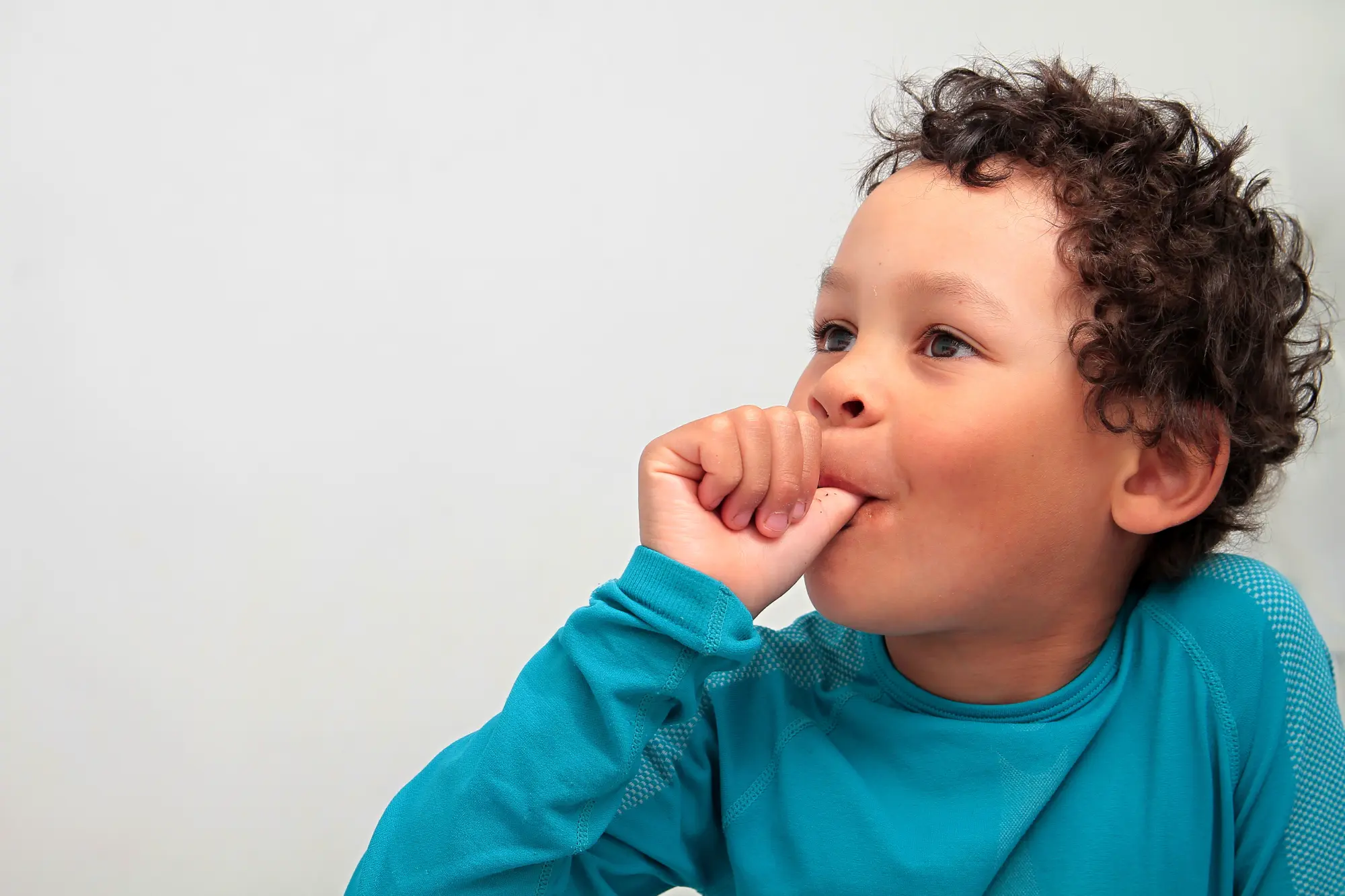
Most of the visit is a conversation. Expect to hear about teething, pacifier and thumb habits, night feedings, and how to clean gums and the first teeth. Parents are welcome in the treatment room, and you leave with clear written instructions for home.
Your Toddler's Pediatric Dental Exam: Ages 1 to 3
This is the stage where the visit looks most different from an older child's. Toddlers have short attention spans, strong opinions, and a natural wariness of strangers. The team builds the visit around those facts.
Instead of moving straight to counting teeth, we let your child look around, meet our staff, and get comfortable. Our treatment rooms have flat-screen TVs, and the waiting area has interactive games, so the setting feels more like a playroom than a clinic. Here is what usually happens at a toddler visit:
- A quick check of all the baby teeth for early signs of decay or enamel problems
- A look at how the jaws and bite are developing
- A gentle cleaning, often with a soft brush instead of heavier tools
- Fluoride varnish if your child's risk level calls for it
- A talk about thumb sucking, bottle use, snacking, and brushing routines
X-rays are rarely needed at this age unless there is a specific concern. Some toddlers cooperate for the full visit, and some only open wide for a few seconds. Both are normal, and we work at your child's pace.
Preschool Visits: Ages 3 to 5
By age three, most children have a full set of 20 baby teeth. They can follow simple directions, so the visit becomes more hands-on and more conversational.
Tell-Show-Do
Preschoolers respond well to explanations in kid language. We show them the mirror, let them feel the water spray on a finger, and describe what each tool does before using it. That small bit of control often turns worry into curiosity.
Habits Take Center Stage
At this age, we pay close attention to cavities between teeth, because tight spacing can trap food. We also look at thumb sucking and pacifier use, since long-term habits can affect how the upper front teeth and palate develop. Brushing is also a focus. Most children this age still need a parent to brush or at least finish the job.
School-Age Children: Ages 6 to 11
This is when the mouth changes the fastest. Baby teeth loosen, permanent molars and incisors come in, and the mouth holds both sets at once. A checkup at this age looks closer at what is happening underneath and behind.
Watching Permanent Teeth Arrive
Dr. McDonough checks that the first permanent molars, which arrive around age six, are coming in properly. These back teeth have deep grooves that catch food and bacteria. Dental sealants are often recommended to protect them.
X-Rays and Early Bite Checks
Routine X-rays become more useful here. They show cavities between teeth, the position of unerupted adult teeth, and any crowding. If the bite looks like it may need orthodontic attention later, we can point it out early so you can plan ahead.
Children this age can also take part in their own care. We teach brushing and flossing techniques, and we talk about sports mouthguards, sugary drinks, and snack choices in terms a kid can follow.
Teen Dental Visits: Ages 12 to 18
Teens usually need less hand-holding and more honest information. Our team talks to them directly and treats them like partners in their own care, while parents stay informed. A teen visit often covers:
- Checking that second molars and any wisdom tooth positions are developing normally
- Reviewing care for braces, retainers, or aligners
- Talking about sports injuries and mouthguard fit
- Discussing the effects of sugary and acidic drinks on enamel
- Answering questions about vaping, whitening, and bad breath
Teens are also at higher risk for cavities when routines slip during busy school years. A friendly, judgment-free conversation tends to work better than a lecture.
Exams for Children With Special Needs or Dental Anxiety
Age is only one factor in how a visit goes. Some children are sensory sensitive, have developmental differences, or have had a hard experience before. For these patients, the steps may be the same, but the timing and approach look different.
Little Bee's is the only pediatric dental office in the county, and we welcome patients from infancy onward, including children with special needs dentistry. Parent reviews often mention patience and how we let each child set the pace. That might mean a short first visit just to sit in the chair, or a few visits to build trust before a cleaning.
When a child needs more support to complete treatment safely, we offer gentle sedation options and talk through them with you first. Parents are welcome in the treatment room for first visits, so your child always has a familiar face nearby.
Schedule a Pediatric Dental Exam at Little Bee's
No matter your child's age, the best time to book is before there is a problem. Regular visits catch small issues early and help children see the dentist as a normal, friendly part of life. Dr. McDonough is a Berks County native with a DMD from the University of Pennsylvania, research experience at the NIH, and pediatric residency training at Children's National Hospital. She brings that background to every visit, along with a lot of patience and a few bee puns.
Families in Lebanon and nearby communities can call Little Bee's Pediatric Dentistry at (717) 208-4268 or schedule your appointment to book a visit. Tell us your child's age and any concerns, and we will plan the visit around them. Smile bright and bee happy!
FAQ's
Discover tips for healthy smiles for your kids.
How to Gently Break Your Child's Thumb-Sucking or Pacifier Habit
How to Choose the Right Pediatric Dentist for Your Child

Are Digital X-Rays Safe for Children and How Often Are They Needed?

When Is a Pediatric Tooth Extraction Necessary for a Baby Tooth?

Buzzing About Protection: How Pediatric Dental Sealants Prevent Future Cavities

Can Silver Diamine Fluoride Stop a Cavity Without a Filling?

Why Does My Child Need a Pulpotomy (Baby Root Canal)?

Are White Zirconia Crowns Better for Kids Than Stainless Steel?

The Bee Kind Initiative: How Little Bee’s Pediatric Dentistry Gives Back to Our Community
